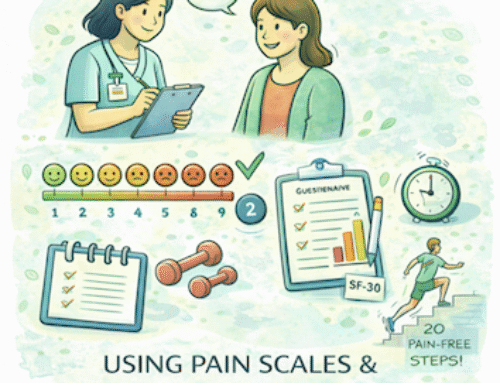
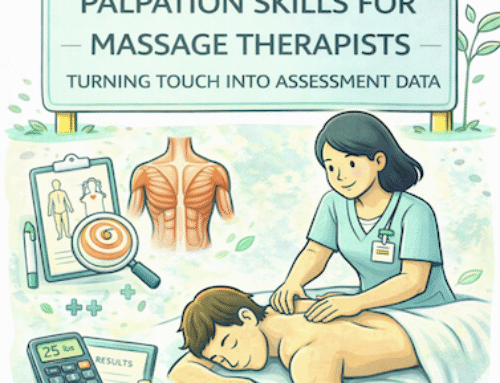
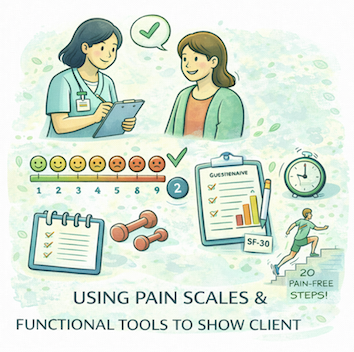
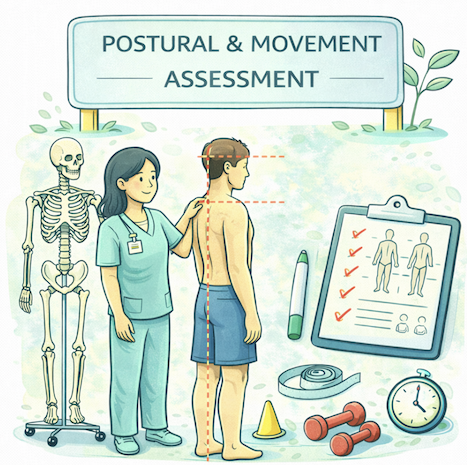
From intake to treatment plan, the health history interview is your main clinical tool for deciding what you can safely do, what you should avoid, and how to prioritize treatment goals. For massage therapy students, learning to take a clear, organized health history is just as important as learning hands-on techniques, because it sets the foundation for safe, client-centered care.
Why the Health History Matters
A thorough health history helps you identify contraindications, precautions, and red flags that may require medical clearance instead of massage. It also clarifies the client’s main concerns, goals, and expectations so you can focus your work where it matters most. Finally, good documentation protects both you and the client by showing that you assessed risk and obtained informed consent before treatment.
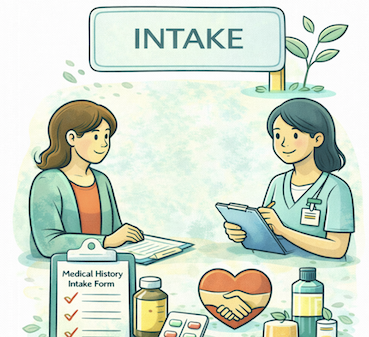 Key Components of a Massage Health History
An effective health history form and interview will usually cover:
- Personal information: Name, contact details, emergency contact.
- Presenting complaint: Main reason for the visit, onset, duration, aggravating and relieving factors.
- Medical conditions: Cardiovascular, neurological, respiratory, metabolic, skin conditions, mental health, surgeries, injuries, pregnancies.
- Medications: Especially blood thinners, pain medications, muscle relaxants, and steroids.
- Lifestyle factors: Work demands, stress levels, exercise, sleep, and other therapies being used.
- Massage-specific questions: Previous massage experience, pressure preference, areas to avoid, comfort with draping.
You’ll use the form as a guide, but the real assessment happens through your conversation, clarification, and clinical reasoning.
Screening for Contraindications and Red Flags
As you review the health history, you’re always filtering information for safety concerns. Some findings call for modifying or avoiding local treatment; others require referral before you proceed.
Examples of what you’re looking for:
- Systemic red flags: Fever, unexplained weight loss, night pain, acute infection, recent major trauma, suspected DVT, uncontrolled hypertension.
- Cardiac/vascular risks: History of heart attack, stroke, severe varicose veins, clotting disorders, use of anticoagulants.
- Neurological signs: Numbness, tingling, weakness, changes in bowel/bladder control.
- Pregnancy considerations: Trimester, complications, high-risk status.
- Skin/infection issues: Open wounds, rashes of unknown origin, contagious conditions.
When you find something uncertain or potentially serious, you pause and either modify your plan or advise the client to seek medical advice before continuing.
Turning Intake Information into a Treatment Plan
Once you understand the client’s story and safety profile, you can begin building a treatment plan. A simple structure is:
- Client’s chief complaint (what bothers them most).
- Contributing factors (posture, work, stress, previous injury).
- Goals (pain reduction, mobility, relaxation, sports performance).
- Treatment priorities for today (what you will focus on in this session).
- Longer-term plan (frequency of visits, progression of techniques, home care).
You always start with the client’s goals, then filter them through what is safe and realistic for you to address within your scope of practice. You also decide what to reassess at future visits (e.g., pain level, ROM, function).
Example Intake-to-Plan Table
| Intake finding | Clinical meaning | Treatment decision |
|---|---|---|
| Desk job, neck and shoulder pain | Likely postural muscle overload | Focus on upper back/neck; add posture self-care |
| Mild controlled hypertension | Precaution, but not a contraindication | Avoid very deep work; monitor comfort and dizziness |
| Reports stress, poor sleep | Nervous system upregulation | Include relaxation-focused work and breathing cues |
| Previous ankle sprain, fully healed | Historical info, mild relevance | Consider chain effects if lower body is symptomatic |
Using Questions to Clarify and Prioritize
The way you ask questions can dramatically improve the quality of information you get. Start with open-ended questions, then narrow down as needed.
Helpful question styles:
- Open-ended: “Can you tell me what brings you in today?”
- Clarifying: “When did this pain start? Was there an injury?”
- Functional: “What activities are hardest because of this problem?”
- Safety-focused: “Has your doctor placed any limits on exercise or massage?”
- Expectation-checking: “What would you like to feel or be able to do after a few sessions?”
This not only guides your clinical reasoning but also helps manage expectations so clients understand what massage can and cannot do.
Scenario: From Intake to First Treatment Plan
Imagine a new client, Alex, age 40, comes in with mid-back and neck pain from long hours at a computer. During the health history, you learn that Alex has controlled mild asthma, no major surgeries, and takes only an occasional over-the-counter pain reliever. There are no red flags or serious medical conditions, and Alex’s main goal is to reduce pain and tension to focus better at work and sleep through the night.
From this information, you:
- Identify the primary concern: postural strain in upper back, shoulders, and neck.
- Note safety considerations: mild asthma (ensure comfortable positioning, check breathing throughout).
- Set goals: short-term pain reduction and relaxation; medium-term improvement in posture awareness and tolerance for desk work.
- Plan the session: focus on upper back and neck with moderate pressure, myofascial work to pectorals and upper trapezius, plus relaxation techniques.
- Assign home care: brief hourly movement breaks, chest opening stretch, and a simple breathing exercise before bed.
At the next visit, you’ll reassess Alex’s pain and function, review what helped, and adjust the plan as needed.
Documentation and Informed Consent
After the intake, you document your findings clearly and briefly, using objective language. You record:
- Key health history points.
- Identified precautions and any decisions to modify treatment.
- Client’s goals and your plan for the session.
- That you explained the proposed treatment and obtained verbal or written consent.
This documentation shows that you used the health history to guide safe, client-centered choices. It also helps you track progress over time and communicate with other healthcare providers if needed.
By treating the health history as a dynamic assessment tool—not just paperwork—you learn to think like a clinician: gathering data, assessing risk, setting priorities, and designing treatment that is both safe and meaningful for your client.