In the United States, consent to treatment is a cornerstone of professional massage therapy practice. It upholds client autonomy, ensures ethical integrity, and aligns with legal standards across all states. At its core, consent means that clients voluntarily agree to receive massage services after being fully informed about the nature, purpose, and potential effects of the treatment. For massage therapy students, mastering the nuances of consent is as essential as learning anatomy or technique—it directly affects client trust, professional credibility, and legal safety.
Types of Consent
| Type of consent | Definition | Example |
|---|---|---|
| Informed consent | Permission given after the client understands the nature, goals, risks, benefits, and alternatives of treatment. | Before the first session, you explain techniques, areas to be treated, possible soreness, and alternatives; the client asks a few questions and then signs your consent form. |
| Written consent | Permission documented with a signature on a physical or digital form. Often used to record informed consent. | A new client completes a health history and signs a treatment consent form agreeing to 60 minutes of Swedish massage for stress relief. |
| Verbal consent | Permission given orally, usually for lower-risk, moment‑to‑moment decisions during care. | Mid‑session you ask, “Is it okay if I increase the pressure on your upper traps?” and the client says “Yes, that’s fine.” |
| Non‑verbal consent | Permission communicated clearly through body language or gestures, usually for minor changes. | You ask, “Is the pressure okay?” and the client gives a thumbs‑up while relaxing into the table, so you maintain the same pressure. |
| Implied consent | Permission inferred from a client’s actions or the situation, not explicitly stated; considered a weaker form of consent. | At a corporate chair‑massage event, a person pays for a 10‑minute session, sits in the chair, and positions themselves as instructed, implying agreement to a brief chair massage. |
The Legal and Ethical Foundations
In the U.S., consent requirements are shaped by state laws, professional standards, and ethical codes set by organizations such as the American Massage Therapy Association (AMTA) and the Federation of State Massage Therapy Boards (FSMTB). These frameworks emphasize that clients must receive sufficient information to make an informed choice about their care. Failure to obtain valid consent can expose a therapist to allegations of professional misconduct or even assault. Thus, informed consent is not just a formality—it’s a legal safeguard and ethical obligation.
Key Elements of Informed Consent
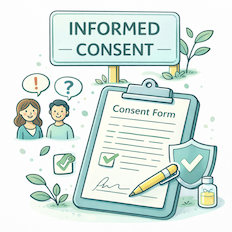 Effective consent includes several components: disclosure, comprehension, voluntariness, and documentation. Disclosure involves explaining the treatment plan, including techniques, goals, and possible outcomes. Comprehension ensures the client genuinely understands what’s being communicated, often requiring the therapist to check for questions or clarify unfamiliar terminology. Voluntariness means the client agrees freely, without pressure or manipulation. Finally, proper documentation protects both therapist and client by recording that informed consent was given before the session.
Client Rights and Boundaries
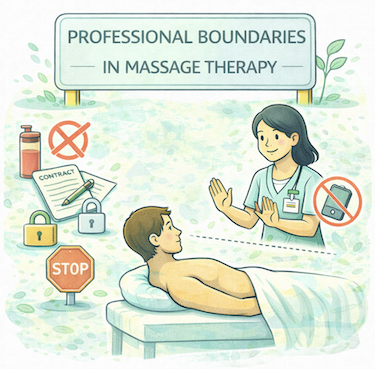
Massage therapy often involves physical touch, making respect for client boundaries absolutely critical. A client’s right to modify or withdraw consent at any time supersedes all other considerations. For instance, if a client consents initially but later becomes uncomfortable with a certain technique or area of treatment, the therapist must stop immediately. Attentive communication, observation of non-verbal cues, and continuous feedback throughout the session help maintain safety and respect. This responsiveness demonstrates professional accountability and ethical sensitivity.
The Role of Communication and Cultural Competence
Clear, compassionate communication is at the heart of effective consent. Massage therapists work with clients from diverse cultural, linguistic, and personal backgrounds, which may shape how people express comfort, modesty, or understanding. Students should practice explaining treatment plans in plain, inclusive language and be sensitive to differences in perception of touch and personal space. Building rapport and developing cultural competence strengthens trust, allowing clients to feel heard and secure in their decision to receive care.
Consent and Special Populations
Extra care is needed when obtaining consent from minors, clients with cognitive impairments, or those under medical supervision. In such cases, legal guardians or healthcare proxies may be required to provide consent. However, the therapist should still seek the client’s assent whenever possible to reinforce respect and agency. For example, a teenage client might need parental consent but should still be directly informed about the session’s purpose and asked if they feel comfortable proceeding.
Integrating Consent into Professional Practice
For massage therapy students, incorporating consent into every stage of clinical practice (intake, assessment, treatment, and debriefing) should become habitual. This not only fulfills professional standards but also reinforces your ethical identity as a healthcare provider. A transparent consent process encourages mutual trust, improves treatment outcomes, and fosters a safe, client-centered environment. As future therapists, viewing consent as an ongoing dialogue rather than a one-time signature transforms it from a legal necessity into a vital expression of respect, professionalism, and care.