Ethical communication and informed consent sit at the heart of professionalism in massage therapy. They shape how safe a client feels, how much they trust you, and whether your work is truly collaborative rather than something “done to” them.
Why Communication Is an Ethical Issue
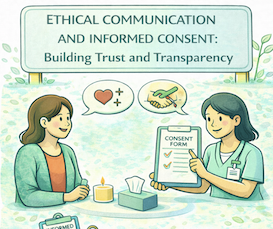
Communication is not just about being friendly; it is about making sure clients understand what you are doing, why you are doing it, and what choices they have. Ethical communication respects the client’s autonomy, privacy, cultural background, and emotional state. When you communicate clearly, you reduce misunderstandings, prevent boundary crossings, and support informed, voluntary participation in treatment.
Ethical communication also means being honest about your scope of practice and limits. You avoid promising cures, exaggerating results, or using intimidating jargon. Instead, you explain things in plain language and invite questions so the client can actively participate in their care.
 The Elements of Informed Consent
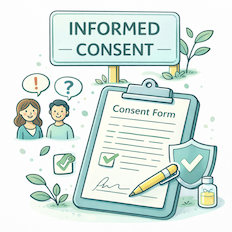
Informed consent is more than a signature on a form. It has several key elements:
- Disclosure: You explain the nature of the treatment, techniques you plan to use, areas to be treated, expected benefits, possible risks or discomforts, and reasonable alternatives (including the option to decline).
- Comprehension: You check that the client actually understands what you have explained, using clear language and asking if they have questions.
- Voluntariness: The client’s decision is free from pressure, guilt, or coercion. “Yes” must be genuinely optional.
- Capacity: The client is able to make decisions (e.g., not impaired by substances or certain cognitive conditions; if they are, a legal guardian may be involved).
- Permission: The client clearly agrees—verbally, in writing, or both—to the plan you discussed.
Practically, you might say: “Today I’m proposing to work on your neck and upper back with moderate pressure and some myofascial work at the front of the chest. You may feel some tenderness during or after, but we’ll stay within your comfort. We can focus more on relaxation if you prefer. Do you have any questions, and are you okay proceeding with that plan?”
Ongoing, Not One-Time, Consent
Informed consent is a process, not a one‑time event. Even if a client signed a form at the first visit, you still need to obtain consent for each session and for any significant change in the plan.
Good habits include:
- Reviewing: “Last time we focused on your low back. Today I’m proposing we also work around your hips—how does that sound?”
- Checking in mid‑session: “Is this pressure still okay?” “Would you like more or less work in this area?”
- Highlighting choice: “If anything doesn’t feel right, we can stop or change what we’re doing at any point.”
If a client withdraws consent—verbally or through clear body language—you must stop or modify immediately. A nervous laugh, pulling away, sudden stiffness, or silence in response to a question can be signs to pause and check in.
Handling Sensitive Topics and Areas
Massage therapy often involves discussions and areas of the body that can feel vulnerable. Ethical communication helps clients feel respected and in control.
Key points:
- Use neutral, professional language when talking about body areas.
- Explain why a sensitive area might be clinically relevant (“Your low back pain may be related to tension in the gluteal region. Would you be comfortable with some work there? We can fully drape or skip this if you prefer.”).
- Always offer alternatives: working through the sheet, adjusting draping, or avoiding an area altogether.
- Never minimize a client’s discomfort or pressure them with “This is necessary” if they hesitate.
When a client chooses not to have certain areas treated, you document this preference and honor it in future sessions unless they explicitly change their mind.
Transparency and Documentation
Ethical communication includes how you record and store information. Good documentation shows:
- What you explained (treatment focus, techniques, risks/benefits in general terms).
- The client’s questions or concerns and how you addressed them.
- That consent was obtained (e.g., signed form, note that verbal consent was given for a change in plan).
- Any refusal or withdrawal of consent (“Client declined abdominal work; we focused on lumbar area instead.”).
Transparent documentation helps you demonstrate that you communicated ethically, respected client choices, and adjusted treatment as needed.
Responding to Misunderstandings or Complaints
Even with care, misunderstandings can happen. Ethical communication means responding with professionalism, not defensiveness.
If a client says they felt uncomfortable or misled:
- Listen fully without interrupting.
- Acknowledge their experience: “I’m sorry you felt uncomfortable—that’s never my intention.”
- Clarify your perspective briefly and calmly, focusing on facts, not excuses.
- Offer options: adjusting future treatments, referring out, or, if appropriate, refunding or ending the therapeutic relationship.
You may also reflect afterward: “Was there a point where I could have communicated more clearly or checked in better?” This reflection supports your growth and reduces future issues.
Building Trust Through Everyday Professionalism
Trust is built through many small, consistent behaviors:
- Starting and ending on time.
- Explaining policies (cancellation, fees, late arrivals) clearly and applying them fairly.
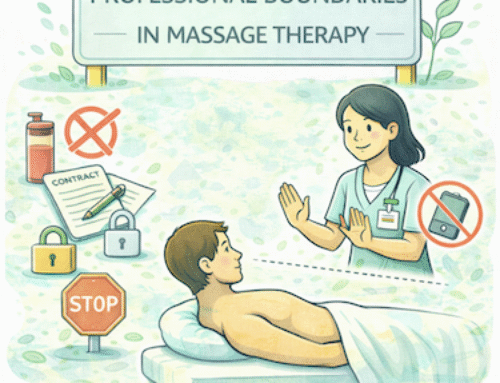
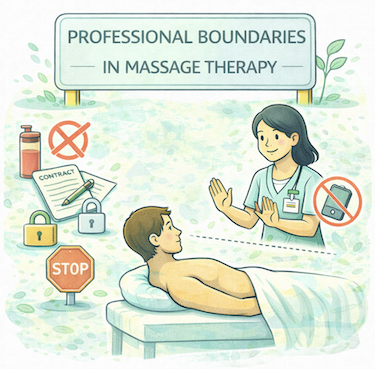
- Using appropriate draping and asking for permission before any change.
- Maintaining confidentiality, including not discussing one client with another.
- Respecting boundaries in communication outside sessions (e.g., not sending personal messages late at night, using professional channels).
When clients know what to expect and feel that their choices are respected, they are more likely to relax, communicate openly, and benefit from your work. Ethical communication and informed consent are not just requirements; they are tools that make your massage practice safer, more effective, and more deeply client‑centered.